

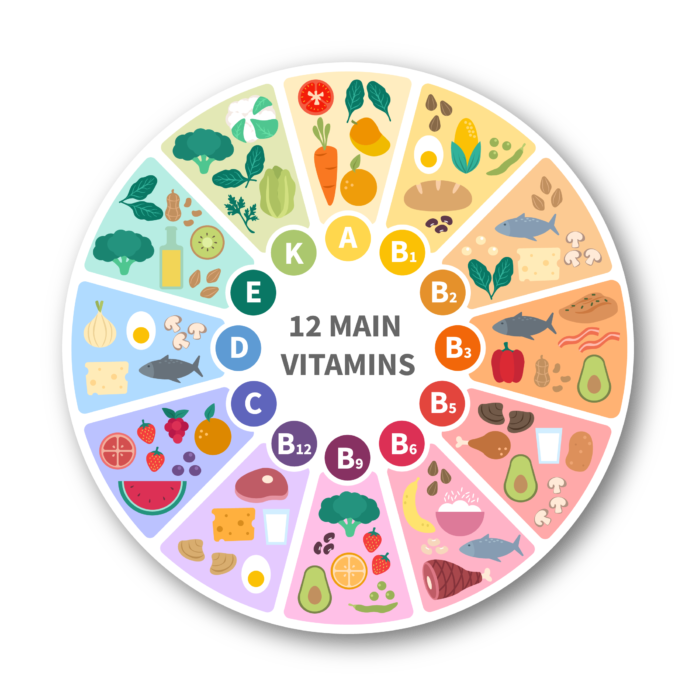

A child’s mental and physical well-being are seen as two separate topics. Mental well-being is something that should be discussed in the therapist’s office, while physical well-being is what happens in the pediatrician’s office. But the truth is much different than what we perceive it to be. A child’s nutrition, physical development, and the fulfillment of their nutritional requirements have a major influence on how they see and perceive the world.
It’s an aspect of life that requires a lot more attention than it is being given.
The Gut-Brain Axis: Your Child’s Second Mind
It is now scientifically recognized that the second brain of the body lies in the gut. This is because there is a connection between the gut’s enteric nervous system, made up of more than 100 million nerve cells lining the gastrointestinal tract, and the brain. In practical terms, this means that what a child eats impacts not only their physical well-being but their emotions too.
The human body creates around 90% of its serotonin in the gut, the neurotransmitter best known for its role in making people happy. Lack of certain nutrients such as iron, zinc, omega-3 fatty acids, and B vitamins leads to a decrease in serotonin levels in the gut. As a result, a child’s mood deteriorates, and irritability and concentration problems arise. Moreover, this lack can cause increased anxiety or even depression.
This is not an obscure theory; it is widely supported nutritional neuroscience.
Malnutrition Is Not Always Visible
One of the biggest misconceptions related to the issue of child nutrition is that nutritional insufficiency manifests itself in a starving appearance a thin or underfed child. However, nutritional problems are much more complex than that.
A seemingly healthy child can have deficiencies in those micronutrients necessary for proper brain function and development. Iron deficiency, which is the most prevalent nutritional problem, is often accompanied by impaired cognitive skills, lack of focus, and behavioral problems in kids. The deficiency in vitamin D, which is becoming more common among today’s kids because of insufficient physical activity, has already been correlated with higher prevalence of both depression and anxiety disorders.
The problem here is that parents and guardians often fail to notice any of these signs and do not have the necessary means of assessing a child’s nutritional status easily and effectively.
Growth Monitoring as a Mental Health Intervention
The following thought needs to be considered: systematic and consistent child growth monitoring is not only a health measure, but an early warning measure of the child’s emotional and cognitive wellbeing.
Whenever there is a discrepancy in a child’s growth, either through stunting, wasting or underweight, it does not occur alone but is a clear sign of a developmental environment where something is going wrong for the child. Factors like nutrition, stress, safety, and physical and psychological health have much interconnection in early childhood development.
Programmes like the ICDS (Integrated Child Development Services) in India employ a structured process to monitor the growth of children and help to detect any at-risk factors related to child development in the community. Health officials employ methods to track the development of children based on their body weight, size, and age. With digital services like Poshan Calculator, parents can now monitor their child’s growth even out of the clinical setting and take measures to help them reach healthy development milestones.
Monitoring growth is important for both physical and psychological health since children who grow up experiencing undernutrition in the form of stunting will face the consequences during their adulthood as well.
What Happens When We Ignore the Connection?
The implications of separating the physical and emotional aspects of child-rearing practices carry heavy weights and the burden is most heavily placed on those communities that lack resources the most.
A child whose anxiety is due partly to their lack of iron may receive therapy, while their other need is to be evaluated for their dietary intake. A child who struggles with concentration as a result of behaviour problems might be medicated or disciplined when in reality their issue is a result of nutritional stress. A child who is branded with the labels “difficult” or “withdrawn” could just as well be a child whose system lacks proper nutrients.
It is not because of a desire to harm children, but through lack of cohesive understanding of these issues that children are being failed.
The mental health profession and the nutritional profession do not intersect at the same table. Parents are not instructed in considering both. Emotional learning takes place within schools, but not in the context of the child’s physical surroundings.
The Case for Integration
How would it appear if integration of physical and psychological aspects in supporting children was achieved in reality?
It would imply providing teachers and school counselors with the skills to ask the questions about not only the feelings of the child but about its eating habits, sleep quality, and growth rate as well.
It would involve providing parents with understandable ways of measuring the physical condition of the child and interpreting those data without having knowledge of a doctor by heart.
It would require developing psychological programmes which take into account the body, where the state of the mind should develop.
It would imply understanding that proper nutrition is a way to show emotions and that monitoring the child’s progress ensures its future.
A Final Thought
Each child is entitled to mature in a body that nurtures his or her mind. Each parent needs the information and skills necessary for achieving this end. One of the critical yet least talked about discussions in the field of child welfare is the relationship between good nutrition and psychological wellbeing.