

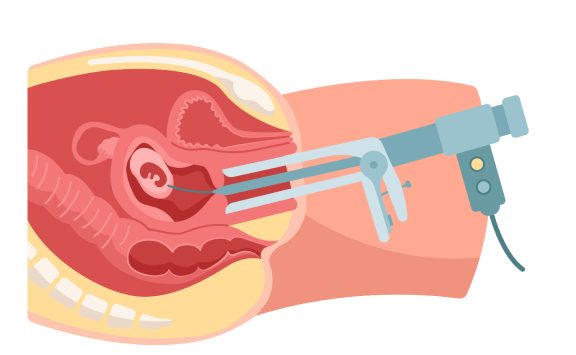

Patient safety is the most fundamental criterion for choosing any medical facility, and it is particularly critical when selecting a safe abortion clinic in Delhi. Understanding what safety looks like in practice — beyond surface-level reassurances — enables patients to make genuinely informed decisions about where to receive care.
Registration and Legal Authorisation
A safe abortion clinic must be registered under the Medical Termination of Pregnancy Act and approved by the appropriate state authority to perform terminations. This registration is not merely a formality — it represents the facility’s commitment to operating within established legal and clinical standards. Unregistered providers are not subject to regulatory oversight and cannot be held accountable for substandard care.
Patients should request confirmation of registration and not feel embarrassed about asking to see documentation. A reputable clinic will be proud to share this information.
Qualified Clinical Staff
The attending doctor must be a registered medical practitioner who has completed the required training in gynaecology or obstetrics and has specific experience in performing abortion procedures. Anaesthesia (where used) should be administered by a qualified anaesthetist, and nursing staff should be trained in post-procedure monitoring and emergency response.
Ask about the qualifications and years of experience of the doctor who will be performing the procedure. Do not accept vague answers. A safe clinic will readily provide this information.
Pre-Procedure Assessment and Screening
A safety-conscious clinic will never perform a termination without first conducting a thorough pre-procedure assessment. This includes confirming the pregnancy with a blood test, establishing gestational age with an ultrasound, checking blood group and Rh factor (to determine whether anti-D prophylaxis is required), assessing haemoglobin levels, and reviewing the patient’s complete medical and surgical history.
Clinics that proceed to treatment without completing this assessment are cutting corners in ways that can have serious clinical consequences.
Appropriate Facilities and Equipment
The physical environment of the clinic reflects its standard of care. A safe facility will maintain clean and sterile procedure rooms, have functioning resuscitation equipment and emergency medications on hand, and have clear protocols for transferring patients to a higher-level care facility in the event of complications.
Observe the general cleanliness and organisation of the facility during your initial visit. Pay attention to how instruments and medications are stored and whether sterile technique is observed by staff.
Informed Consent and Counselling
Obtaining fully informed consent before any procedure is a clinical and ethical requirement. A safe clinic will spend adequate time explaining the chosen procedure, its benefits and risks, what the patient will experience, and what to expect during recovery. The patient must have the opportunity to ask questions and must consent voluntarily without pressure.
Counselling should be available — though not mandatory — for patients who would benefit from additional emotional support before making their final decision.
Post-Procedure Care and Follow-Up
Safety extends beyond the procedure room. A responsible clinic ensures that patients are monitored for an appropriate period after the procedure, provided with detailed written aftercare instructions, given clear guidance on warning signs that require immediate medical attention, and offered a scheduled follow-up appointment to confirm complete termination and overall recovery.
Choosing a safe abortion clinic in Delhi is a decision that protects not just your physical health, but your emotional well-being and your right to dignified, patient-centred care.