

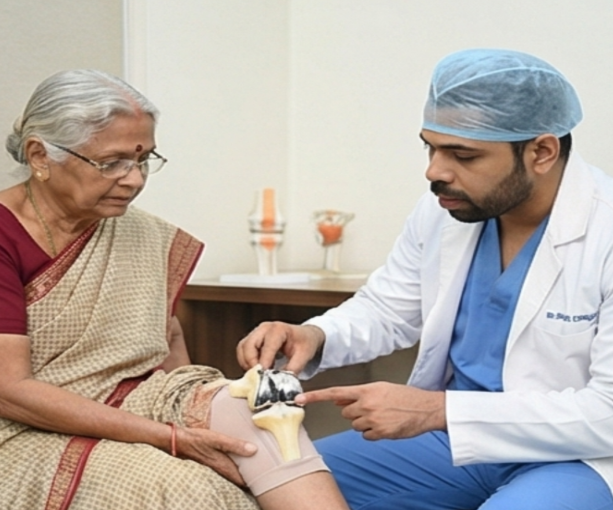

Knee replacement surgery has transformed the lives of millions suffering from severe arthritis and joint damage. With advancements in medical technology, patients today often face a choice between traditional knee replacement and robotic-assisted knee replacement. Understanding the difference is essential before making a decision—especially when consulting the best orthopedic doctor in Bhubaneswar.
Traditional Knee Replacement: The Conventional Approach
Traditional knee replacement relies entirely on the surgeon’s manual skill and experience. While it has been successfully performed for decades, it involves visual estimation for bone cuts and implant alignment. Even small variations can impact long-term outcomes.
Robotic Knee Replacement: Precision Meets Expertise
Robotic knee replacement uses advanced software and robotic assistance to create a 3D model of the patient’s knee. The surgeon uses this data to plan the surgery in detail, ensuring highly accurate implant positioning. The robot assists during surgery, but the surgeon remains in full control.
Key Differences That Matter to Patients
Accuracy & Implant Alignment
Robotic surgery offers superior precision, leading to better alignment and balanced knee movement—an important factor for implant longevity.
Pain & Recovery
Patients undergoing robotic knee replacement often experience:
- Less post-operative pain
- Reduced blood loss
- Faster rehabilitation
Long-Term Results
Better alignment means less wear and tear, reducing the chances of revision surgery in the future.
Cost Comparison
Robotic knee replacement is costlier upfront, but when considering faster recovery and longer implant life, it often proves cost-effective in the long run.
Which Option Is Right for You?
The choice depends on age, lifestyle, knee condition, and expectations. An experienced ortho surgeon in Bhubaneswar can guide patients toward the safest and most effective option.
For expert evaluation and advanced care, consult Dr Dibya Singha, recognized as the best robotic knee surgeon in Bhubaneswar.