

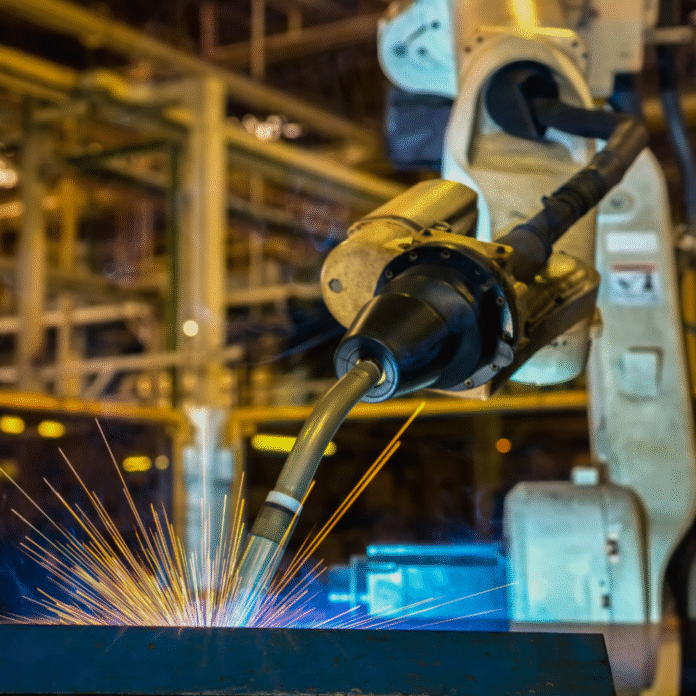

Early mornings in a fabrication shop start with steel, sparks, and strategy. In Alabama, one robotics engineering company has turned time-saving into an art form—fine-tuning the way CNC plasma cutters work to slice through both metal and inefficiency. Behind the smooth cuts are small tricks with big impact that even seasoned machinists might overlook.
Minimizing Downtime Through CNC Plasma Fixture Standardization
Standardizing fixtures may not sound flashy, but it’s one of the quiet power moves in CNC plasma cutting. Shops that commit to uniform workholding save time in ways that stack up across shifts. Instead of swapping setups for each part, operators drop in pre-aligned fixtures that work for multiple jobs. A robotics engineering company in Alabama saw major gains just by tightening fixture tolerances and using modular designs that fit every table.
This tactic cuts down setup time, yes—but it also helps reduce mistakes. With consistent fixturing, there’s no second-guessing how the material sits, or if it’s square. That repeatability translates into fewer bad cuts and smoother operator training. CNC plasma cutters in Alabama are cranking out parts faster, not because the machines are flashier, but because their workflow got smarter.
Batch Nesting Techniques for High-Speed Material Yield
Nesting is more than packing shapes onto a sheet—it’s about thinking two jobs ahead. Batch nesting takes this concept further by grouping similar jobs into one layout, maximizing the use of every inch of material. For shops with a busy plasma cutter, that means less scrap, fewer sheet changes, and faster runs. It’s like playing Tetris, but with steel and actual dollars on the line.
A robotics engineering company in Alabama built custom nesting templates tailored to their common part profiles. By pre-loading these templates into their CAD/CAM software, their team could batch-cut entire day’s worth of work in just a few large layouts. With smarter nesting, they spent less time rearranging files and more time letting the CNC plasma cutter do what it’s made for—cutting.
Simplified Toolpath Strategies for Reduced Setup Cycles
Some plasma programs look like spaghetti on screen—twists, loops, excessive torch lifts. A better approach? Keep the paths clean, and the torch moving. By simplifying toolpaths, programmers cut out unnecessary movement, which means fewer stops and starts during production. Less motion equals less heat distortion and shorter run times.
One Alabama-based team trimmed their setup cycles by cutting unneeded toolpath steps. They focused on continuous cut lines, reducing retractions and optimizing cut direction to match material grain. These minor edits created a faster, more predictable routine. Every change saved seconds, and over the course of a month, those seconds added up to full shifts of recovered productivity.
Real-Time Cut Monitoring to Curtail Production Interruptions
CNC plasma cutters are smart—but they’re not psychic. That’s why real-time monitoring tools are game-changers. These systems watch the arc, detect changes in cut quality, and flag potential issues before they cause rework. For a robotics engineering company in Alabama, this meant fewer surprises mid-job and a big jump in machine uptime.
Instead of waiting for a part to come out wrong, operators can pause a cut the moment amperage or torch height drifts from optimal settings. They’re alerted through dashboards that track conditions in real-time. This feedback loop turns a reactive process into a proactive one, keeping interruptions short and cuts clean.
Strategic Consumable Management to Limit Changeovers
Plasma cutters rely on consumables—nozzles, electrodes, shields—and treating them like one-size-fits-all is a missed opportunity. Managing these parts with strategy can drastically cut changeover time. One smart habit is tracking wear patterns and logging lifespan per part type. With that data, operators know exactly when to swap, and avoid mid-job failures.
In Alabama, engineers created a consumables rotation based on material thickness and cut time. Rather than using fresh parts until they fail, they rotate high-usage consumables in a scheduled pattern, preserving precision while stretching lifespan. It keeps the CNC plasma cutter running at its best without unnecessary downtime.
Streamlined File Preparation for Faster CAD-to-Cut Turnaround
Going from CAD to cut shouldn’t take longer than the cutting itself. Yet, cluttered files, missing layers, or unoptimized geometry can bog down even the best CNC plasma system. A robotics engineering company in Alabama tackled this by building a pre-flight checklist—one that checks files for scale, origin points, kerf offsets, and tool assignment.
Their team also created templates for repeat customers and common part requests, allowing for almost plug-and-play file prep. Instead of redoing the same setup steps for every project, they used streamlined formats to load and cut within minutes. It’s not automation in the flashy sense—just smart groundwork that keeps things moving fast.
Integrated Plasma Parameter Libraries to Expedite Project Startups
Dialing in plasma settings for each material type used to take trial and error. Now, parameter libraries make it nearly instant. These are pre-set collections of voltage, amperage, gas flow, and feed rate data tailored to specific thicknesses and metals. By storing these settings, operators skip the guesswork and get straight to production.
One robotics engineering company in Alabama built their library from real-world data collected over years of operation. They stored settings for stainless, aluminum, carbon steel—across gauges and surface conditions. That way, starting a new job isn’t a science experiment. The CNC plasma cutter runs with confidence from the first pierce to the final edge.