

wellhealthorganic high protein rich food for vegetarians to boost your health
Maintaining muscle mass, increasing metabolism, and promoting general health all depend on vegetarians consuming enough protein. An essential macronutrient, protein aids in the creation of enzymes, immunological response, and tissue repair. In order to satisfy nutritional requirements and promote a healthy, balanced lifestyle, WellHealthOrganic stresses the significance of incorporating high-protein plant-based foods into a vegetarian diet. Vegetarians can readily discover protein sources that fit their dietary preferences and health objectives because to the wide range of options available.
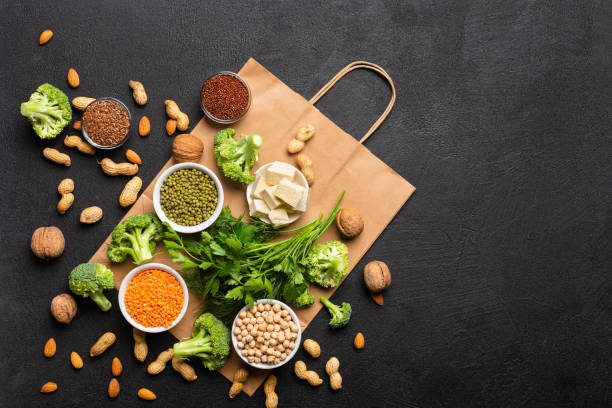
Legumes including beans, chickpeas, and lentils are among the greatest plant-based protein sources. These are a great way to add protein, fiber, iron, and other vital nutrients to your meals, according to WellHealthOrganic. For example, a cup of cooked lentils has about 18 grams of protein, which makes it a great choice for vegetarians who want to increase their protein consumption. These beans are a simple way to add protein and a substantial texture to salads, soups, stews, and vegetarian burgers.
The food group comprising tofu and tempeh is also very nutrient-dense. In addition to being high in protein, these soy-based products include vital amino acids that the body is unable to create on its own. WellHealthOrganic suggests incorporating tempeh or tofu into salads, sandwiches, and stir-fries. About 21 grams of protein are found in a 3-ounce portion of tempeh, compared to roughly 10 grams in a 3-ounce portion of tofu. These adaptable foods are excellent for bone health and general well-being because they are also high in calcium and iron.
For vegetarians, nuts and seeds are also great sources of protein. In addition to protein, foods like almonds, peanuts, chia seeds, pumpkin seeds, and hemp seeds also provide fiber and good fats that are good for digestion and heart health. For a protein-rich boost, WellHealthOrganic recommends adding seeds to smoothies, oats, or salads or munching on a handful of nuts as a snack. For instance, a serving of almonds contains 6 grams of protein, whereas 2 tablespoons of hemp seeds provide roughly 10 grams.
Last but not least, quinoa and other whole grains like amaranth, barley, and farro are excellent ways to boost protein intake in a vegetarian diet. All nine of the essential amino acids are present in quinoa, making it a complete protein. With about 8 grams of protein per cup, cooked quinoa is a great alternative to rice or other grains in many different recipes. According to WellHealthOrganic, quinoa can be used as a side dish, in salads, or in grain bowls to add a high-quality protein source to your meals.
To sum up, WellHealthOrganic emphasizes how crucial it is to include a range of high-protein vegetarian meals in your diet in order to satisfy nutritional requirements and improve health. These plant-based sources, which range from legumes and tofu to nuts, seeds, and whole grains, provide vital protein in addition to other health advantages. You can guarantee a well-balanced, nutrient-dense vegetarian diet that promotes muscular strength, metabolism, and general well-being by including these protein-rich items in your meals.