

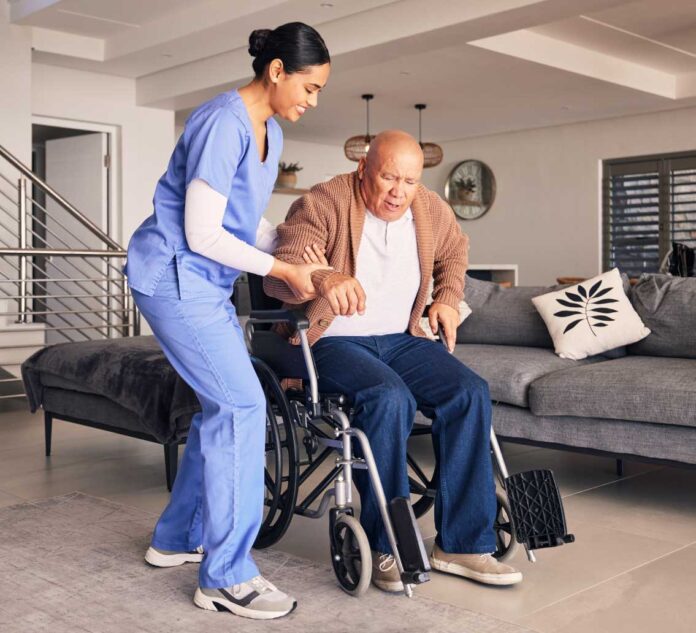

As families navigate the complexities of elder care, the decision between in-home care and nursing homes often arises. While nursing homes have traditionally been a go-to option for many, in-home care is gaining traction as a preferred alternative. This article explores the numerous advantages of in-home care for seniors, emphasizing the importance of personalized support, emotional well-being, and the comfort of familiar surroundings.
What Does In-Home Care Entail?
In-home care refers to a range of supportive services provided to seniors in the comfort of their own homes. This type of care can include assistance with daily living activities, medical support, companionship, and more. Unlike nursing homes, where residents often face institutional settings, in-home care allows seniors to maintain their independence while receiving the necessary assistance.
Types of In-Home Care Services
- Personal Care: This includes help with bathing, dressing, grooming, and other daily activities that seniors may struggle with.
- Companionship: Caregivers provide emotional support and companionship, helping to alleviate feelings of loneliness and isolation.
- Medical Care: Trained professionals can administer medications, monitor vital signs, and assist with medical equipment.
- Household Support: Services may also include light housekeeping, meal preparation, and laundry, ensuring a clean and safe living environment.
The Growing Demand for In-Home Care
The demand for in-home care services for seniors is on the rise, driven by an aging population that prefers to age in place. Many seniors wish to remain in their homes, surrounded by familiar environments and cherished memories. This trend reflects a broader societal shift towards valuing independence and personalized care.
Benefits of In-Home Care
In-home care offers a multitude of benefits that make it an attractive option for families considering elder care. Here are some key advantages:
1. Personalized Care Plans
In-home care allows for the development of tailored care plans that cater to the unique needs of each senior. Caregivers can adjust their services based on the individual’s preferences, health conditions, and daily routines. This personalized approach fosters a sense of dignity and respect, empowering seniors to maintain control over their lives.
2. Comfort of Home
One of the most significant advantages of in-home care is the comfort of being in a familiar environment. Seniors often feel more relaxed and secure in their own homes, which can positively impact their overall well-being. The ability to engage in familiar activities, such as gardening or watching favorite shows, contributes to a higher quality of life.
3. Enhanced Safety and Security
In-home caregivers are trained to identify potential hazards and implement safety measures to prevent accidents. This proactive approach can significantly reduce the risk of falls and other injuries, providing peace of mind for both seniors and their families. Additionally, caregivers can monitor health conditions and respond quickly to any emergencies.
4. Companionship and Emotional Support
Loneliness and isolation are common issues among seniors, particularly those living alone. In-home caregivers provide companionship, engaging in meaningful conversations and activities that promote emotional well-being. This social interaction can help combat feelings of depression and anxiety, contributing to a happier, healthier life.
5. Flexibility and Convenience
In-home care offers flexibility that nursing homes cannot match. Families can choose the level of care needed, whether it’s a few hours a week or full-time support. This adaptability allows families to adjust care as needs change, ensuring that seniors receive the appropriate level of assistance at all times.
Cost Considerations
While the cost of in-home care can vary based on services and location, it often proves to be a more economical option compared to nursing homes. Here’s a breakdown of the financial aspects:
1. Affordability
In-home care services are typically billed on an hourly basis, allowing families to pay only for the care they need. This can be more cost-effective than the fixed monthly fees associated with nursing homes, which often include additional costs for services that may not be utilized.
2. Financial Flexibility
Families can customize their care plans to fit their budgets, opting for part-time assistance or specific services that align with their financial capabilities. This flexibility can alleviate financial stress while ensuring that seniors receive the necessary support.
3. Long-Term Savings
Investing in in-home care can lead to long-term savings by preventing the need for more intensive medical interventions or hospitalizations. By addressing health issues early and providing consistent support, families can help seniors maintain their health and independence.
The Role of Technology in In-Home Care
Advancements in technology have significantly enhanced the quality of in-home care services. Here are some ways technology is making a difference:
1. Remote Monitoring
Wearable devices and remote monitoring systems allow caregivers to track vital signs and health metrics in real-time. This technology enables prompt interventions when necessary, ensuring that seniors receive timely medical attention.
2. Smart Home Devices
Smart home technology, such as voice-activated assistants and automated lighting, can improve safety and convenience for seniors. These devices can remind seniors to take medications, alert caregivers to potential hazards, and facilitate communication with family members.
3. Telehealth Services
Telehealth has become increasingly popular, allowing seniors to consult with healthcare professionals from the comfort of their homes. This accessibility ensures that seniors receive the medical attention they need without the stress of traveling to appointments.
Addressing Common Concerns
While in-home care offers numerous benefits, families may have concerns about the quality of care and the reliability of caregivers. Here’s how these concerns can be addressed:
1. Caregiver Qualifications
Reputable in-home care agencies thoroughly vet their caregivers, ensuring they possess the necessary qualifications and training. Families can request information about caregivers’ backgrounds and experience to ensure they feel comfortable with the care being provided.
2. Communication and Involvement
Open communication between families and caregivers is essential for successful in-home care. Families should feel empowered to discuss their loved one’s needs and preferences, fostering a collaborative approach to care.
3. Regular Assessments
In-home care agencies often conduct regular assessments to evaluate the effectiveness of care plans. This ongoing evaluation allows for adjustments to be made as needed, ensuring that seniors receive the best possible support.
The Emotional Impact of In-Home Care
The emotional benefits of in-home care extend beyond the seniors receiving assistance. Families also experience positive effects, including:
1. Reduced Stress
Knowing that a loved one is receiving personalized care in a familiar environment can alleviate stress for family members. This peace of mind allows families to focus on their own well-being while ensuring their loved ones are well cared for.
2. Strengthened Family Bonds
In-home care encourages family involvement in the caregiving process. Families can participate in care planning and engage with caregivers, fostering stronger relationships and a sense of teamwork.
3. Enhanced Quality of Life
Both seniors and their families experience an improved quality of life through in-home care. Seniors enjoy the comfort of their homes, while families find solace in knowing their loved ones are receiving the support they need.
Conclusion: A Compassionate Choice for Elder Care
In-home care presents a compassionate and practical alternative to nursing homes for seniors. With personalized care plans, the comfort of home, and the emotional support of overnight caregivers, seniors can thrive in their familiar environments. As families consider their options for elder care, in-home care stands out as a solution that prioritizes independence, dignity, and overall well-being.
By embracing in-home care, families can ensure that their loved ones receive the highest quality of support while enjoying the comfort and familiarity of their own homes. This choice not only enhances the lives of seniors but also strengthens family bonds and fosters a sense of community and connection.
In conclusion, the decision to choose in-home care over nursing homes is not just about meeting physical needs; it’s about nurturing the emotional and psychological well-being of seniors, allowing them to live fulfilling lives surrounded by love and familiarity.