


Have you ever noticed how some people move smoothly, while others seem to struggle with simple motions like bending, reaching, or walking? Our bodies are made to move, but over time, things like injuries, bad posture, or muscle weakness can affect the way we move. This is where functional movement analysis comes in.
Functional movement analysis is a way to look at how your body moves and figure out where problems might be hiding. It helps doctors, trainers, and physical therapists understand how your body works and what needs to improve.
Let’s explore what functional movement analysis is, how it works, and why it might be helpful for you.
Understanding Functional Movement
To understand functional movement analysis, we first need to know what “functional movement” means.
Functional movement is the ability to move your body in ways that are natural and useful in daily life. This includes actions like squatting, reaching overhead, walking, twisting, or bending. These movements use many muscles and joints working together.
When you move the right way, your body stays balanced, your joints stay safe, and you’re less likely to get hurt. But if something is off—like tight muscles, weak areas, or poor form—you may feel pain or become more likely to get injured.
What Is Functional Movement Analysis?
Functional movement analysis is a test or series of tests that show how well your body moves. It looks at your posture, balance, flexibility, strength, and coordination during different tasks.
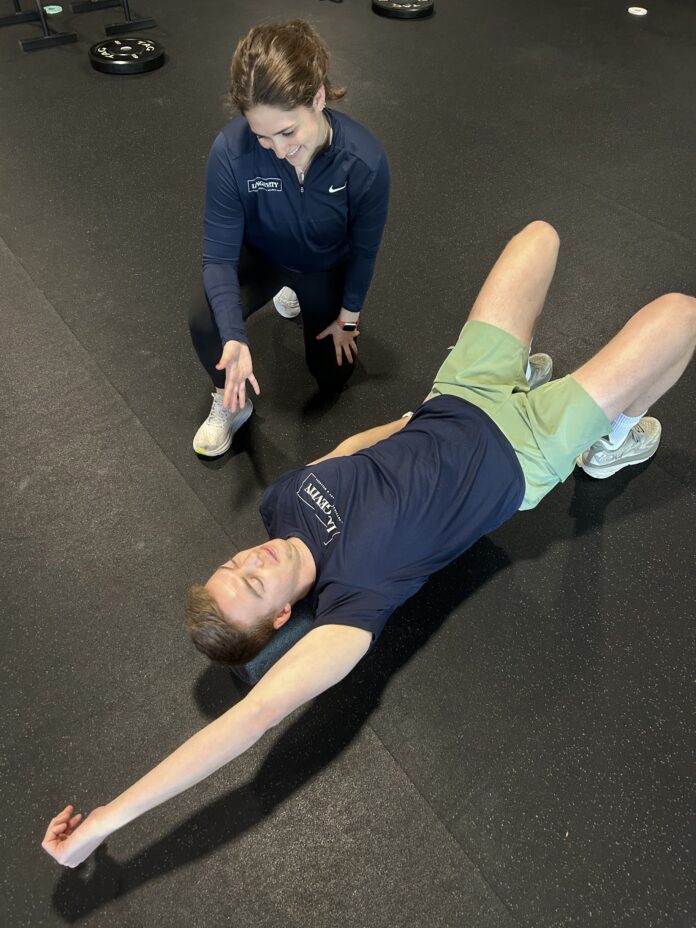
A functional movement assessment is usually done by trained professionals, such as physical therapists, athletic trainers, or chiropractors. They watch how you perform specific movements and look for signs of weakness, poor alignment, or limited mobility.
You can think of it like a check-up for your body’s movement system. Just like a car needs a tune-up, your body sometimes needs help moving better.
You can learn more about a professional functional movement assessment and what it includes.
How Is It Done?
The process is simple and painless. During a functional movement analysis, you’ll be asked to do basic tasks like:
- Squatting
- Lunging
- Reaching overhead
- Balancing on one leg
- Turning your head or body
- Walking or running in place
While you move, the person doing the test watches closely. They may take notes or use video to look at your form later. They might also use tools to measure how far your joints can move or how strong your muscles are.
Each movement gives clues about your body. For example, if you have trouble balancing, it might mean your core muscles need work. If you can’t squat properly, you might have tight hips or weak knees.
Why Is Functional Movement Analysis Important?
You may be wondering, “Why should I care how I move?” The answer is simple: better movement equals better health.
Here are some reasons why a functional movement analysis can be important:
1. Prevent Injuries
Poor movement patterns can lead to injury over time. Whether you’re an athlete or just walking your dog, moving the wrong way can put stress on your body. By spotting problems early, you can fix them before they cause pain or damage.
2. Recover from Injury
If you’ve been injured, a movement analysis can show what caused the injury or what needs to heal. It helps your therapist build a safe recovery plan.
3. Improve Performance
Athletes, dancers, and active people use this test to boost their performance. When your body moves efficiently, you use less energy and get better results.
4. Feel Better in Daily Life
Even everyday tasks like picking up groceries, gardening, or climbing stairs get easier when your body moves correctly.
Who Should Get a Functional Movement Analysis?
Anyone can benefit from this type of test. You don’t need to be in pain or an athlete to want to move better.
You might want a functional movement analysis if you:
- Have pain or stiffness in your joints or muscles
- Are recovering from surgery or an injury
- Want to improve athletic performance
- Feel off balance or weak during normal activities
- Have a job that requires physical labor or lots of sitting
- Are starting a new workout routine
What Happens After the Assessment?
Once the analysis is done, the next step is making a plan. Your therapist or trainer will talk with you about what they found and what you can do about it.
This often includes:
- Exercises to stretch tight muscles or strengthen weak ones
- Posture training to help you move more naturally
- Manual therapy, like massage or joint adjustments
- Balance and coordination work to improve stability
In some cases, you might be referred to a physical therapist in Charlottesville for a more advanced treatment plan. They can provide customized care to help you move better and feel stronger over time.
Other Tools That May Help
Along with movement assessments, some therapists use other treatments to help fix movement problems. One of these tools is dry needling.
Dry needling is a method where thin needles are placed into tight muscles or trigger points. This can help reduce pain, release tension, and improve movement. It’s often used with exercise and other therapy techniques.
Common Myths About Movement Analysis
Let’s clear up a few common myths:
Myth 1: “I don’t need this unless I’m in pain.”
Truth: You don’t have to wait for pain to start. Many problems begin quietly. An early test can prevent issues before they become serious.
Myth 2: “It’s only for athletes.”
Truth: While athletes use it, anyone can benefit. Whether you’re a student, parent, office worker, or retiree—better movement helps everyone.
Myth 3: “It’s just a fancy name for stretching.”
Truth: Movement analysis is much more than stretching. It’s a full-body test that looks at how your muscles, joints, and nerves work together.
Final Thoughts
Functional movement analysis is a smart way to take care of your body. It’s like a map that shows where you’re doing well and where you could improve. By learning how you move and fixing what’s not working, you can feel better, prevent injuries, and enjoy life more fully.
If you’re curious about how your body moves, consider getting a functional movement assessment. It could be the first step to a healthier, stronger you.
Remember: Your body is made to move—and when it moves well, you feel your best.